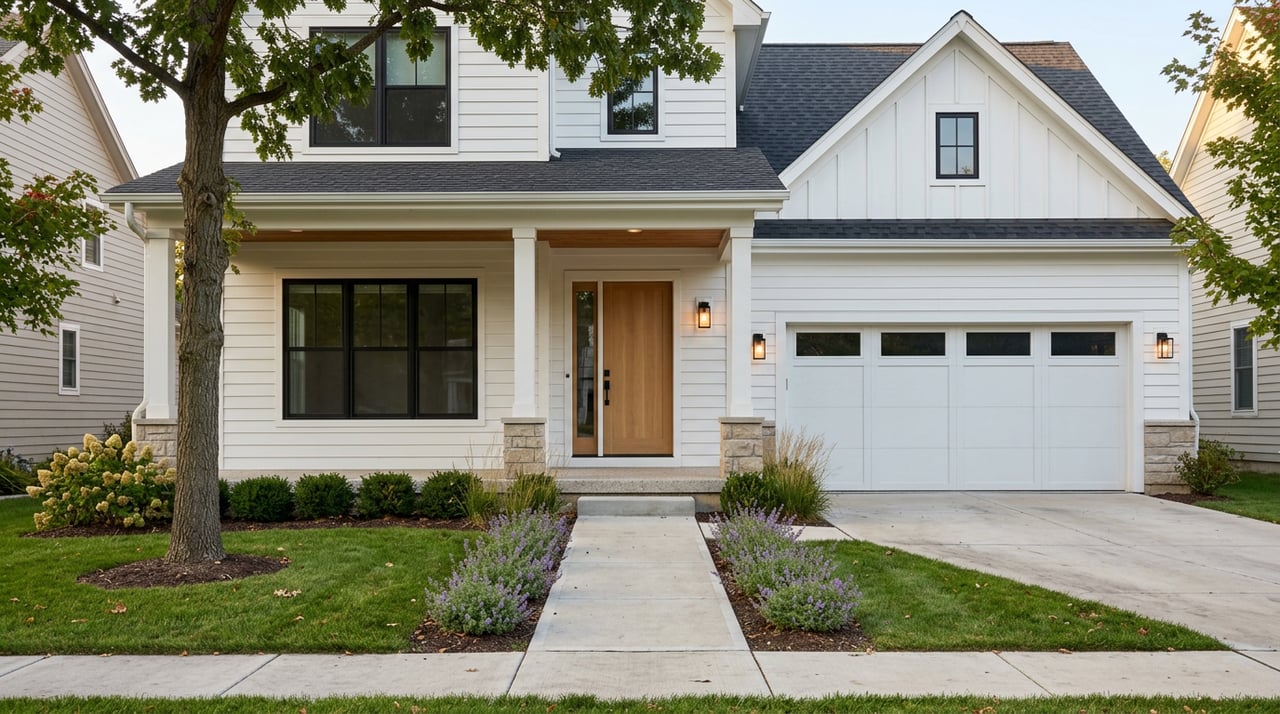
Living in Columbia MO: What Daily Life Is Really Like
March 5, 2026
March 5, 2026
Thinking about trading big-city rush for a place where your coffee run, commute, and trail time all fit into a calm, well-paced day? In Columbia, MO, daily life feels approachable and connected, with quick drives, plenty of green space, and a steady cultural calendar. Whether you are relocating for work, right-sizing, or eyeing your first home, you want a clear picture of what real life looks like between the headlines. In this guide, you will learn how people move around, where locals spend weekends, what the dining scene feels like, and how housing and costs typically stack up. Let’s dive in.
Columbia is a mid-sized college city with a strong university heartbeat and a friendly pace. The U.S. Census Bureau estimates the city’s population at about 130,900 as of July 2024, with a mean one-way commute of roughly 16.4 minutes and a median owner-occupied home value near 284,600. You will also find median gross rent around 1,097, which helps you frame early budget expectations. You can explore these indicators in the Census QuickFacts for Columbia, Missouri.
Higher education and health care shape much of the city’s daily rhythm. The University of Missouri and its hospital system anchor employment and events, with additional large employers in insurance and financial services contributing steady job opportunities. That mix keeps downtown lively during the academic year and on event weekends while still preserving an easygoing, small-city feel.
You are also well positioned for regional trips. Columbia sits along I-70 and U.S. 63, roughly a two-hour drive to Kansas City or St. Louis. For many residents, that means you can enjoy a relaxed daily pace without giving up access to major metros when you need them.
If you plan to drive most days, Columbia’s commute pattern is straightforward. The mean one-way travel time is about 16.4 minutes, which reflects the city’s compact geography and central job hubs. I-70 and U.S. 63 carry regional traffic while Broadway, Providence, and Stadium Boulevard handle most daily in-town trips. You will see typical small-city congestion near campus and major intersections at peak times, but not the extended backups common in larger metros.
Columbia operates a municipal bus system known as GoCOMO, which offers fixed routes and paratransit. The system has been fare-free since the pandemic, and the city has extended free fares as funding allows. Service frequency has fluctuated at times due to operator shortages, so if you plan to rely on transit, review current routes and schedules and test your commute in real time.
Columbia invests in trails and on-street bike infrastructure, and many local trips are under two miles. City planning and advocacy groups note more than 140 miles of painted lanes and a growing trail network designed to make short, car-free trips realistic, especially near downtown and the university. If you prefer to walk or bike for errands, focus your search on central neighborhoods or places with direct trail access.
The MKT is Columbia’s signature multi-use path. This 8 to 9-mile crushed-limestone trail connects downtown to the Katy Trail and feeds into multiple neighborhoods and parks. You will see runners, cyclists, and families out most days, and the shaded route is popular for after-work exercise and weekend rides.
Close to downtown, Stephens Lake Park delivers everyday access to a lakefront walking path, swim and spray areas, an amphitheater, and reservable shelters. It is also a frequent host site for outdoor concerts and community festivals. Across town, Cosmo Park is the city’s largest recreation area, with sports fields, trails, a skate park, and broad open spaces that support leagues and regional events.
Just south of the city, Rock Bridge Memorial State Park offers karst landscapes, cave overlooks like Devil’s Icebox, and more than 20 miles of hiking. It is a short drive for a more rugged outing when you want to step beyond in-town parks and trails.
Downtown Columbia, known locally as The District, and the adjacent North Village Arts District form the city’s walkable social core. You will find gallery walks, studios, live music, and a mix of long-running staples and chef-driven spots. Burgers at Booches, a seasonal menu at Sycamore, and a full slate of cafés and bars around the university keep things lively without feeling overwhelming.
Columbia’s cultural calendar punches above its weight. The True/False Film Fest draws international attention every March, transforming downtown with screenings, art installations, and pop-up events. In the fall, the Roots N Blues festival (now called Treeline in some seasons) brings multi-day roots, blues, and Americana performances, often at Stephens Lake Park. Between those anchors, smaller venues like Rose Music Hall and club stages keep a steady flow of shows year-round.
The University of Missouri adds museums, lectures, theater, and major sporting events to the mix. Game weekends can change the downtown tempo and parking availability, while campus arts programming offers dependable, high-quality options for weeknights and weekends. The result is a college-town density of events without the scale of a big city.
Census QuickFacts place the median owner-occupied home value near 284,600 and median gross rent around 1,097. Treat these as signal numbers that frame your initial expectations, then drill into neighborhood specifics. Prices vary substantially by location and property type. Historic neighborhoods near downtown, such as the Old Southwest, often command higher prices, while university-adjacent areas tend to have abundant rentals.
If you are considering selling, understanding micro-market dynamics, presentation, and timing can protect value. If you are buying, especially as a first-timer or relocating professional, clarity on neighborhoods, commute patterns, and property condition helps you move with confidence.
If you want a coffee-and-dinner-out lifestyle with short, frequent trips, focus on central neighborhoods around downtown and the North Village Arts District. Many daily errands can be done on foot or by bike, and the MKT Trail increases your reach without a car. Expect more activity when the university is in session and during event weekends.
If you anticipate daily driving and prefer a calmer street scene, Columbia offers many established subdivisions and suburban-style corridors. These areas often provide easy access to the main roads for short commutes, convenient parking, and proximity to large parks and schools. Your day-to-day will feel practical and predictable, with quick drives to groceries, gyms, and youth activities.
A car-free lifestyle is possible if you choose housing near downtown, the university, or major bus routes. Combine GoCOMO with the trail network and you can cover many regular trips without a vehicle. Always test your route at the times you plan to travel so you understand current service frequency and timing.
Columbia appeals to people who want a medium-scale city with strong university energy, accessible parks and trails, and a lively but manageable cultural calendar. Busy professionals appreciate the short average commute and regional access. Many households value the combination of local restaurants, outdoor options, and ready health care. The city’s mix of neighborhoods supports a range of preferences, from walkable cores to quiet, drive-first areas.
If Columbia’s pace and possibilities fit your life, you deserve a guide who knows the micro-markets and manages the details. Work directly with a boutique, broker-led team that blends neighborhood insight with concierge-level service. Connect with ProMO Real Estate to tour the right areas, compare pricing strategies, and move with confidence. Get Your Instant Home Valuation to start your plan.
Stay up to date on the latest real estate trends.
Real Estate
Columbia, MO Realtor Helps Professionals Buy and Sell Real Estate
At ProMO Real Estate, we consistently go above and beyond to provide exceptional service, ensuring our clients' needs are not only met but exceeded. Get in touch with us today and discover how our collaborative approach, providing realty services in and around Columbia, MO, can transform your real estate journey into an unforgettable success story
Get In Touch With Phebe