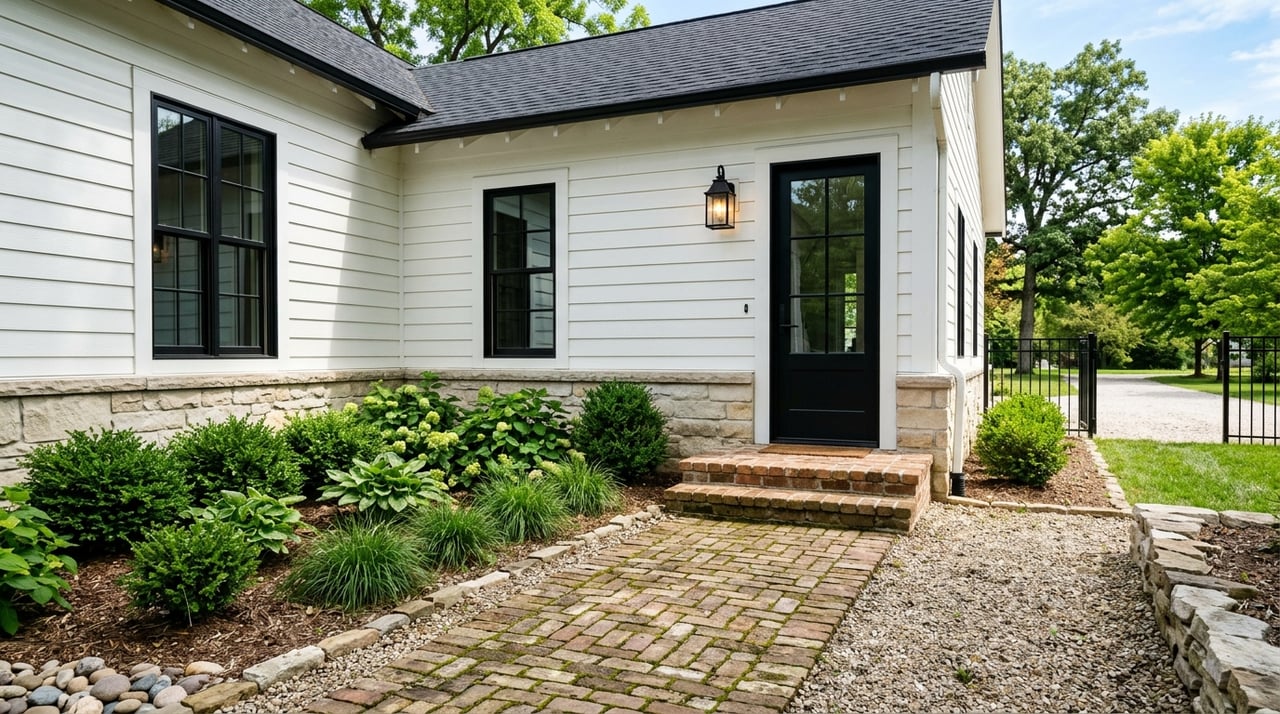
Ashland MO New Construction Homes vs Resale
July 2, 2026
July 2, 2026
Trying to choose between a brand-new home and an existing one in Ashland? It is a common question, especially when the local market moves at a pace that can make every decision feel more urgent. If you want the right mix of timing, budget control, and peace of mind, understanding the tradeoffs matters. Here’s what to know before you decide which path fits you best in Ashland.
Ashland is a relatively competitive housing market, with homes selling at a mid-$300,000 price point based on recent 2026 market data. Redfin reported a median sale price of $344,794 over the three months ending May 2026, while Zillow’s home value index for Ashland was $368,904 as of May 31, 2026. The exact number varies by source, but the bigger takeaway is clear: you are shopping in a market where timing and preparation count.
Homes in Ashland averaged 34 days on market in Redfin’s recent data. That is not instant, but it is quick enough that you may need to move decisively when the right home appears. Whether you choose new construction or resale, a solid plan can help you compete without rushing into the wrong fit.
New construction often appeals to buyers who want a more customized home and the feel of brand-new materials and systems. In Ashland, though, buying new is not just about floor plans and finishes. It also involves city reviews, permitting, utility setup, and a timeline that can shift along the way.
One of the biggest advantages of new construction is the ability to shape the home before it is finished. Depending on the builder and stage of construction, you may be able to choose finishes, fixtures, or upgrades that better match your style and needs. That level of control is hard to match with a resale home.
This flexibility can be especially helpful if you want fewer projects after move-in. Instead of planning renovations later, you may be able to make many decisions up front. The tradeoff is that those choices can add to your final cost.
In Ashland, the city’s Community Development office handles building permits, land-use regulation, platting, rezoning, and annexation. The Planning and Zoning Commission also reviews preliminary and final plats and makes recommendations tied to subdivision regulations. That means a new-build purchase is tied to more moving parts than a standard resale closing.
The city’s 2026 submittal calendar shows development packets are linked to monthly commission meetings, and complete packets are generally due about two weeks before a meeting. Legal notices and staff reports also affect timing. For you as a buyer, that means delays are possible even before construction progress becomes the main variable.
Construction financing adds another timeline factor. Fannie Mae notes that with construction-to-permanent financing, the loan does not convert to permanent financing until construction is complete. In simple terms, new construction usually comes with more uncertainty around the move-in date than a finished home.
The sticker price on a new home does not always reflect the full cost. Ashland charges residential building permit fees at 0.3% of construction value using the ICC valuation table. The city also charges separate permit fees, including $75 each for electrical, plumbing, and mechanical permits.
There can also be added costs if problems come up during inspections. Ashland may charge $25 for a failed inspection and $50 for a failed reinspection. Some subdivision and site-plan reviews may also require separate attorney, engineer, or planner review costs.
Utilities are another important local cost. For FY2026, Ashland lists a $907 water connection and meter fee, a $953 sewer treatment impact fee for single-family homes, and a $924 sewer connect and collection fee. Monthly service costs also apply, including an $8.00 water base charge, a $34.00 sewer base charge, and residential trash service of $14.58 per month.
Builder deposits and upgrades can further change your total. CFPB notes that builders may ask for an upfront deposit, and buyers are free to shop lenders instead of using a builder’s preferred lender. That can give you more flexibility, but it also means you should review every cost line carefully before committing.
In a new construction purchase, the builder matters as much as the house plan. Ashland’s code allows the building official to deny a permit if a named contractor previously failed to comply with code requirements. The city also notes that poor sediment control can delay inspections or lead to stop-work or permit-revocation action.
For you, that makes builder due diligence a practical step, not a formality. A builder’s organization, site management, and familiarity with Ashland’s review process can affect both timeline and stress level. Asking detailed questions early can help you avoid surprises later.
Many buyers like new construction because of warranty coverage. The FTC says most newly built homes include a builder warranty, often covering workmanship and materials for one year, major systems like HVAC, plumbing, and electrical for two years, and in some cases major structural defects for up to 10 years.
That does not remove every risk, but it can lower your repair exposure in the early years of ownership. If you value predictability and want fewer immediate maintenance concerns, that can be a meaningful advantage.
Resale homes usually offer a faster, more straightforward path to ownership. What you see is generally what you get, and you can evaluate the home’s condition, layout, and location before you close. For many buyers in Ashland, that clarity is a major plus.
Because the home already exists, resale is usually measured in weeks rather than months. CFPB describes closing as the final step in buying and financing a home, and says it can take several weeks as signatures and final steps are completed. With resale, you are not waiting through pre-construction approvals or the build itself before reaching that stage.
That can be especially helpful if you are relocating, working around a lease, or trying to line up the sale of another property. If speed matters, resale often has the edge.
A resale purchase gives you the chance to inspect the actual property you plan to buy. CFPB recommends making your offer contingent on financing and a satisfactory inspection. It also advises scheduling an independent inspection as soon as possible.
That inspection can reveal issues with roofing, HVAC, plumbing, electrical systems, or other components that may affect your budget. If major problems come up, you may be able to renegotiate or cancel based on your contract terms. In some cases, lenders may require repairs before closing, which can add another layer to the process.
Resale homes often have fewer build-stage unknowns, but they come with their own cost structure. Fannie Mae says closing costs are typically 2% to 5% of the purchase price, and earnest money deposits are often 1% to 3%. Monthly housing costs may include principal, interest, taxes, insurance, and possibly HOA fees.
The appraisal process also takes time. Fannie Mae notes that appraisals typically take a few days to a few weeks. Even in a straightforward transaction, these steps affect your timing and cash needs.
With resale, your biggest tradeoff is often condition. CFPB advises buyers to ask about prior damage, insurance exposure, and flood or disaster history because those issues can affect both value and future costs. A home may look move-in ready but still have aging systems or past issues worth understanding.
That does not make resale a worse choice. It just means your due diligence should focus less on permits and builder processes, and more on the home’s actual condition and ownership history.
In Ashland, the decision often comes down to control versus speed. New construction may suit you if you want more say in finishes, can handle a less certain timeline, and like the idea of warranty coverage. Resale may fit better if you want a faster closing, prefer inspecting the exact home you will own, or would rather spend money on targeted updates over time.
The local market adds pressure to both options. With Ashland homes priced in the mid-$300,000s and selling in just over a month on average, preparation matters either way. A clear budget, realistic timeline, and strong contract terms can help you make a decision with more confidence.
If you are drawn to a fresh start and want more input on the final product, new construction can be worth the added patience and planning. If your priority is a quicker move, a clearer picture of the property condition, and a more predictable path to closing, resale may be the better match.
The best choice is the one that fits your timeline, your cash reserves, and your comfort level with uncertainty. With broker-led guidance and a close look at the numbers, you can weigh both paths clearly and avoid making a decision based on pressure alone.
If you are comparing homes in Ashland and want practical, local guidance tailored to your timeline and budget, ProMO Real Estate is here to help you sort through the options with confidence.
Stay up to date on the latest real estate trends.
At ProMO Real Estate, we consistently go above and beyond to provide exceptional service, ensuring our clients' needs are not only met but exceeded. Get in touch with us today and discover how our collaborative approach, providing realty services in and around Columbia, MO, can transform your real estate journey into an unforgettable success story
Get In Touch With Phebe