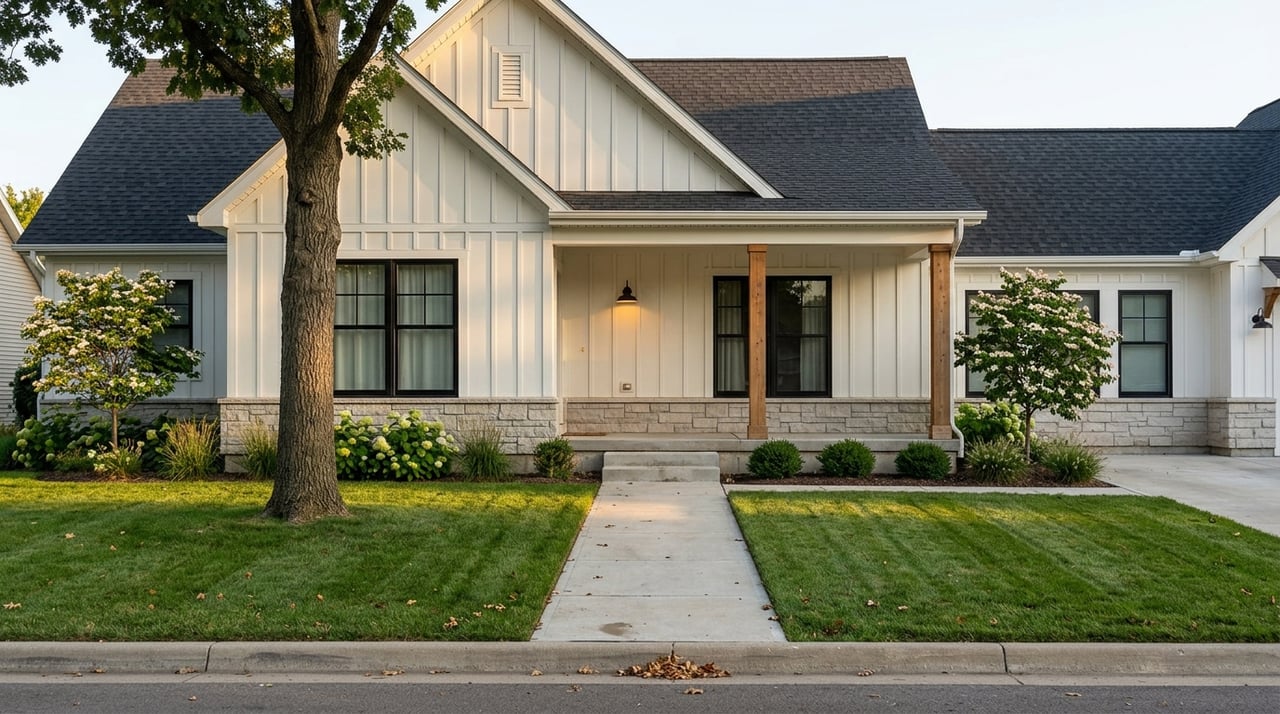
Property taxes can feel mysterious until a bill shows up in your mailbox. If you own or plan to buy in The Woodlands in Columbia, understanding how Boone County calculates and collects your taxes can save stress and help you budget with confidence. You want clear steps, reliable sources, and local context that actually applies to your home. This guide breaks down how assessments work, where to find your numbers, what to do if you disagree, and how to plan for your monthly costs. Let’s dive in.
How Boone County property taxes work
Boone County property taxes are a combination of rates from several local taxing authorities. Your total bill is the sum of those levies applied to your home’s assessed value.
Here’s the basic flow:
- The Boone County Assessor estimates your property’s market value, then applies state assessment rules to calculate your assessed value. That assessed value is what your tax rates apply to. You can learn more on the Boone County Assessor page.
- Multiple local authorities set their own levies. In The Woodlands, expect Boone County, Columbia Public Schools, and if you are inside city limits, the City of Columbia, plus districts like fire protection and library.
- The Boone County Collector/Treasurer combines those levies and issues your bill. Payment instructions and due dates are posted by the Boone County Collector.
If your property is inside Columbia city limits, a City of Columbia levy will be included. If your parcel is outside the city but still in Boone County, the mix of levies will differ.
Key dates and yearly timeline
Property tax activity follows a consistent annual rhythm. Watch for these milestones and confirm the current year’s dates on county pages.
- Assessment notices: The Assessor mails notices after revaluations or routine updates. Review your market and assessed values, and note any appeal deadlines listed on the notice. Details and contact information are on the Assessor’s site.
- Levy setting: After assessments are set, city, school district, and other boards adopt budgets and set levies. These become the rates on your bill.
- Billing and payment: The Collector/Treasurer prepares bills and publishes payment windows, methods, and any penalties for late payment. Always verify the current instructions on the Collector’s page.
What to do when your assessment arrives
Treat the assessment notice like a time-sensitive document. If you plan to appeal, you must act within the posted window on your notice.
- Review your property details for accuracy. Check square footage, bedrooms, condition notes, and land data via the Assessor’s parcel tools on the Boone County Assessor site.
- Compare values with nearby sales. Gather recent, similar sales in The Woodlands or comparable Columbia neighborhoods.
- Request an informal review with the Assessor if you see issues. Ask for the valuation methodology and submit your supporting information.
- If needed, file a formal appeal with the county’s review board by the deadline listed on your notice.
- If unresolved after the county process, you may appeal to the Missouri State Tax Commission following their procedures.
Appeal steps checklist
- Gather recent comparable sales, photos, and any appraisal or contractor estimates that explain condition or functional issues.
- Contact the Assessor for an informal review first.
- File the formal county appeal before the deadline on your notice.
- Consider a state-level appeal through the Missouri State Tax Commission if needed.
Where to find rates, bills, and payment information
You can verify every figure that affects your bill using official pages. These sources are your best reference points each year.
Tip: If you are confirming whether your Woodlands home lies inside Columbia city limits, use the parcel tools on the Assessor’s site and the City’s resources to verify jurisdiction.
Exemptions and credits to explore
Programs can reduce your tax burden if you qualify. Each has its own rules, documentation, and deadlines, so confirm details before applying.
Common categories to check:
- Owner-occupied and circuit-breaker style credits for income-qualified or senior homeowners. Eligibility and forms are outlined through state and county resources like the Missouri Department of Revenue.
- Senior or disabled credits or reductions, where applicable. Review county and state pages for qualifications and instructions.
- Veterans’ benefits that may apply to eligible veterans or surviving spouses. Confirm documentation requirements.
- Agricultural classification for acreage that meets specific use criteria. This is application-driven and requires records of qualifying use.
- Nonprofit or religious property exemptions, and potential historic rehabilitation incentives when applicable.
Most exemptions require an application to the Assessor and, in some cases, annual renewal. Start with the Boone County Assessor to confirm required forms and deadlines.
Budgeting property taxes into your monthly payment
Your annual tax is your assessed value multiplied by the combined levy. To plan your monthly budget, divide that annual total by 12.
Many homeowners pay through a mortgage escrow account. Your lender estimates the year’s taxes and divides by 12 to set the monthly escrow amount. The escrow is reconciled at year-end against your actual tax bill. If you pay directly, follow the Collector’s instructions and keep proof of payment.
Here is a simple approach:
- Find your assessed value on the Assessor’s site.
- Confirm applicable levies through the Collector’s office and the relevant authorities, such as the City of Columbia Finance page and Columbia Public Schools.
- Multiply assessed value by the combined rate to estimate annual taxes. Divide by 12 for a monthly figure.
You can also compute your effective tax rate by dividing your annual property tax by your home’s market value. This helps compare homes or neighborhoods.
The Woodlands tips and local nuances
The Woodlands sits within Columbia, but parcel boundaries matter. Verify your specific address to know exactly which districts apply to your home.
- Confirm whether your home is inside Columbia city limits. A city levy applies if you are within the city boundary.
- Expect Columbia Public Schools to be a significant portion of your bill. You can review levy and bond details through CPS.
- For new construction or recent sales in The Woodlands, confirm any special assessments for streets, stormwater, or neighborhood improvements. The City of Columbia Finance page and the Collector can help you check.
- If you buy a home with an existing escrow, your lender will adjust monthly amounts after closing when actual tax bills arrive. Plan for an escrow analysis and potential changes.
How ProMO Real Estate can help
You deserve clear guidance tailored to your address, not generic advice. When you work with us, we help you confirm city and school district boundaries, pull recent tax bills, and estimate your monthly escrow with reliable sources. We also coach you through assessment notices and appeal timelines so you can act on time if needed.
If you are selling, we package tax history and verified jurisdiction details into your listing to give buyers confidence. If you are buying, we request the seller’s most recent bills and verify any special assessments before you commit. For a personalized strategy in The Woodlands, connect with ProMO Real Estate.
FAQs
How are property taxes calculated for a Woodlands home?
- Your annual tax equals your assessed value multiplied by the combined levies from Boone County, Columbia Public Schools, the City of Columbia if applicable, and other districts. Verify values and levies through the Assessor and Collector.
Where can I find my Boone County tax bill and payment options?
- The Boone County Collector posts current bills, payment methods, and instructions for receipts and delinquency procedures.
What if I disagree with my assessment in Boone County?
How do I know if my Woodlands address is inside Columbia city limits?
Are there property tax exemptions for seniors or disabled homeowners in Boone County?
Should I escrow property taxes with my mortgage?
- Many owners choose escrow for convenience and budgeting. Your lender estimates the annual tax, divides by 12, and reconciles the account once the actual bill is paid through the Collector).