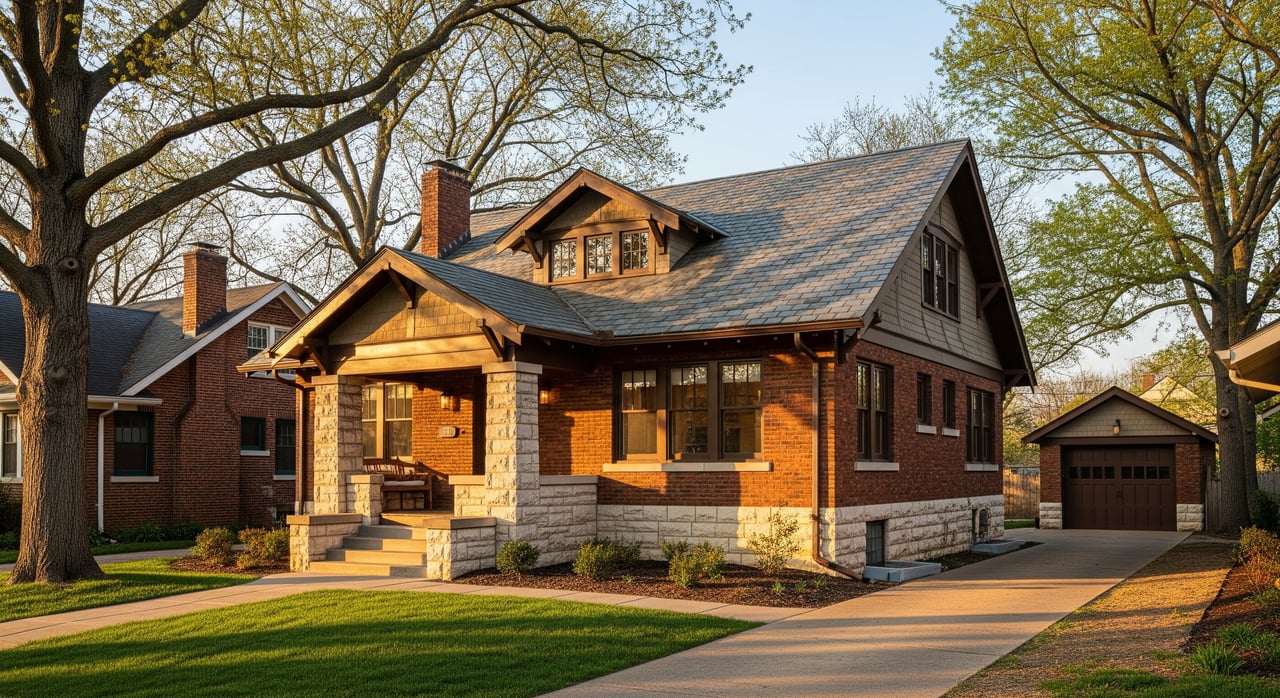
Old Hawthorne Home Appraisal: What Affects Value
December 18, 2025
December 18, 2025
Will your Old Hawthorne appraisal support your contract price? When you are buying or selling in a desirable subdivision, a few details can shift value enough to change your financing or your negotiation strategy. You want clear steps you can take to prepare and a realistic look at what actually matters to an appraiser.
In this guide, you will learn how appraisals work, which features influence value in Old Hawthorne, how comparable sales are chosen, and what to do if value comes in low. You will also get practical checklists for buyers and sellers so you can prepare with confidence. Let’s dive in.
Appraisals are ordered by your lender to form an independent opinion of market value for loan underwriting. The appraiser follows national standards called USPAP and is licensed or certified through the Missouri Real Estate Appraisers Commission. Most purchase loans use a standard Uniform Residential Appraisal Report for single-family homes.
The appraiser will inspect the property inside and out, review the neighborhood, and analyze recent sales. They evaluate condition and features, select comparable sales, make adjustments, and reconcile these into a single value opinion. The borrower usually pays the fee, and turnaround commonly ranges from a few days to 1–2 weeks depending on demand and complexity.
Appraisal reports rely primarily on the sales comparison approach for owner-occupied homes. The cost approach can matter more for new or unique properties, while the income approach is used mainly for rentals or investments.
Square footage is a major driver of adjustments. Appraisers also look at bedroom and bathroom count, how well the layout functions, and whether spaces feel usable and connected. Awkward flow or functional limitations can reduce value compared to similar homes with better utility.
Updated kitchens and baths, modern mechanicals, and quality finishes often support higher values when comparable sales demonstrate buyer demand for those upgrades. Document permitted work and dates for big-ticket items like roof, HVAC, electrical, and plumbing. Deferred maintenance or safety issues can reduce value and may trigger lender-required repairs.
Finished basement areas, ceiling height, safe egress, and useful storage add appeal when paired with similar comps. Garage capacity and sheltered parking are also considered. Be ready with accurate square footage and finish details to avoid mistakes that can skew value.
Lot size, privacy, usable yard area, and overall setting influence how buyers compare homes. Corner versus interior lots, street layout, and site privacy can all affect perceived desirability. Appraisers weigh these factors through adjustments based on matched, recent sales.
If a home is adjacent to a golf course or has direct views, appraisers look for nearby closed sales that show how the market values that feature. When a home is several blocks away or physically separated by streets or trees, the premium may shrink. Any adjustment must be supported by comparable sales, not assumptions.
Access to amenities, commuting routes, and major employers can influence demand. Appraisers also note proximity to possible nuisances like busy roads, as well as floodplain considerations where applicable. Homeowners’ associations, if present, are documented in the report. Fees and rules can affect marketability, especially if there are unusual assessments or restrictions.
Appraisers try to use closed sales from the same subdivision that match the subject home’s size, age, location, and features. In smaller or highly customized pockets, they may need to expand the time window or search radius. The more they have to adjust for differences, the less persuasive a comp becomes.
Pending sales and active listings help describe the market, but closed sales carry the most weight in value conclusions. Rare or custom features, like extensive outdoor living or specialty rooms, may not get full credit unless there are closed sales showing the market paid a premium for them.
Providing organized, accurate information helps the appraiser understand your home’s condition and reduces the risk of errors.
The lender orders the appraisal and the appraiser is an independent third party. You can share factual data and comparable sales through your agent and lender. Attend the appraisal only if invited, and keep interactions professional.
You have several options, depending on your contract and loan program:
Government-backed loans may require repairs for health or safety before closing. Plan time for any required fixes and inspections so your financing stays on track.
Ask your lender about a reconsideration if you find clear factual errors or stronger comps. Useful evidence includes:
Submit a short, organized packet through your lender. Focus on accuracy and similarity. The goal is to correct the record, not to pressure the appraiser.
When the appraisal meets or exceeds the contract price, underwriting typically proceeds as planned. You still need to satisfy other loan conditions. If the appraisal is below the contract price, your lender will usually fund only up to the appraised value. The difference becomes a cash gap, a price reduction, or a negotiated solution.
Common paths include seller price reductions, buyer cash to close, or a combination. In select cases, repairs or updated information can support a reconsideration. A second appraisal or appraisal review may be appropriate if there are substantive errors, but the lender controls that process.
In many markets, single-family appraisal fees range from a few hundred dollars to over $1,000 for complex properties. Timeline often runs a few days to 1–2 weeks, depending on appraiser availability, property complexity, and lender processes. Build this timing into your contract deadlines and contingency periods.
An experienced, boots-on-the-ground approach can keep your valuation on target. With a broker-led strategy, you can prepare a strong comp package, time your listing, and coordinate any pre-appraisal touch-ups so the report reflects your home’s true market position. When you are buying, you get clear guidance on appraisal timelines, reconsideration steps, and negotiation paths if value misses the mark.
If you want tailored advice for your Old Hawthorne move, reach out to ProMO Real Estate for broker-led guidance, a comparative market analysis, or an instant valuation tool to explore pricing scenarios.
Stay up to date on the latest real estate trends.


At ProMO Real Estate, we consistently go above and beyond to provide exceptional service, ensuring our clients' needs are not only met but exceeded. Get in touch with us today and discover how our collaborative approach, providing realty services in and around Columbia, MO, can transform your real estate journey into an unforgettable success story
Get In Touch With Phebe