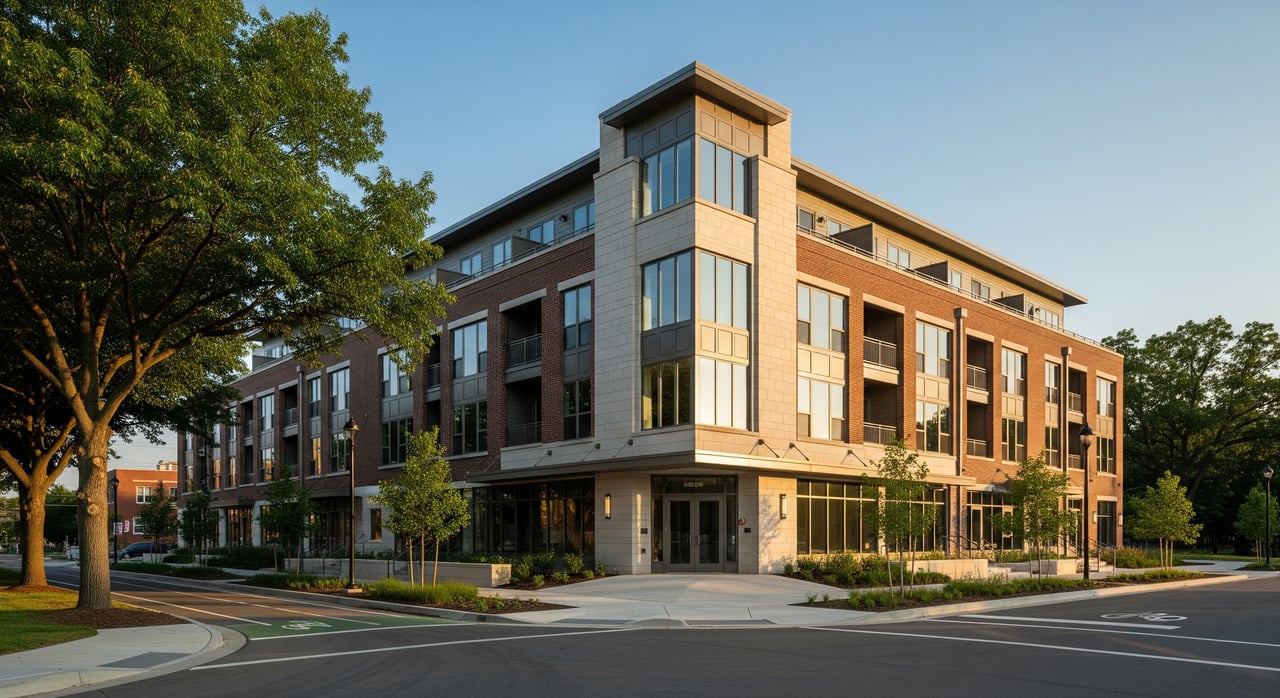
East Columbia Development Plans Near The Brooks
November 6, 2025
November 6, 2025
If you live in The Brooks or you are eyeing a move nearby, you are probably wondering what could be built along East Broadway and Rolling Hills next. New apartments, road work, or a fresh coffee spot can change traffic, rents, and even your sale timing. You want a clear, local playbook so you can plan with confidence, not guess. In this guide, you will learn where proposals show up, how to read them quickly, and what they might mean for property values near The Brooks. Let’s dive in.
Staying ahead starts with checking the right sources. The City of Columbia’s Planning and Zoning Commission and City Council release agenda packets and staff reports that outline rezonings, site plans, and developer agreements. The zoning map viewer and online permit portal help you see active site plans and building permits.
Public Works and Transportation publish street projects, intersection work, and sidewalk or bike improvements. These updates often include design timelines and construction schedules that affect access to East Broadway and Rolling Hills.
Regional transportation planning is handled by the Mid-Missouri MPO, and the state network by MoDOT. The MPO’s Transportation Improvement Program lists funded projects that can reshape arterials and key intersections. MoDOT posts corridor work and traffic counts that help you compare current conditions with what is planned.
Transit matters too. Columbia Transit updates routes and frequency, and those service changes can shift demand for units close to stops. Boone County records offer plats, property transfers, and ownership details that hint at future development. The University of Missouri publishes campus planning that can influence student housing demand across the city. Local media and neighborhood associations often report early signals, including support or concerns raised at public meetings.
Watch for rezoning or Planned Unit Development applications that add apartments, townhomes, or student housing. Unit counts, bedrooms, and parking ratios signal target renters and likely impacts. More units can increase peak-hour trips, while quality design and amenities can lift nearby appeal over time.
For rents, added supply can pressure prices in the short term if absorption is slow. If the product is high quality, it can re-tier the market and support higher rents for comparable updated properties. Student-focused housing often brings more turnover and different leasing patterns than family-oriented units.
Retail, restaurants, or medical uses drive different traffic patterns than housing. Evening and weekend trips can add localized turning movements near driveways and intersections. On the upside, new services like a grocery or coffee shop often raise convenience and walkability, which many buyers and renters value.
Parking deserves attention. If on-site parking is tight, spillover can affect nearby streets. Staff reports and site plans usually show parking counts and any conditions tied to approvals.
Intersection upgrades, turn lanes, signals, or street widening can reduce congestion and improve access to East Broadway and Rolling Hills. New sidewalks, bike lanes, or transit frequency can make non-auto options more practical. Expect some short-term construction disruption. Most staff reports outline traffic control plans and phasing to maintain access.
Sanitary and storm upgrades, easements, and floodplain updates can limit or enable new construction. They can also result in special assessments or frontage charges that affect near-term returns. Drainage projects and new maps may change insurance costs and buyer perceptions around risk.
School facilities, park plans, and municipal buildings can enhance quality of life. These projects often support long-term stability, which families value. Keep in mind that school capacity planning and any boundary updates are public processes, and you should review them with neutral, factual language.
City code updates on density, parking minimums, form standards, or accessory dwelling units can unlock new infill opportunities. These changes adjust the economics of small sites and can shape the product mix along the East Broadway corridor.
Use a simple checklist so you can scan any staff report or site plan and get the gist in minutes:
If a TIA shows several hundred new peak-hour trips, you can expect staff to recommend measures like turn lanes, signals, or consolidated access. Added driveways on East Broadway can increase turning conflicts unless plans include mitigation. Construction can slow travel in the short term, but completed improvements often improve flow and access.
Unit mix matters more than building height. A wave of studios or student units influences turnover and leasing patterns differently than 2 to 3 bedroom homes aimed at families. If approvals allow more units than the area has absorbed historically, expect some short-term rent pressure until the market adjusts.
During construction, noise and access issues can weigh on showings. That effect is usually temporary. Over the medium and long term, well designed projects and new amenities tend to support appreciation by improving streetscape, convenience, and perceived quality. Oversupply of lower quality units can cap growth for older assets, which is another reason to track pipeline numbers and product type.
Planning hearings reveal what conditions the City may apply. Strong neighborhood feedback can result in limits on scale, added landscaping, or circulation changes. Those conditions become enforceable and shape the final site.
Most proposals move through pre-application, formal submittal, Planning and Zoning hearings, City Council review, permits, and then construction. That can take months or even years. Some approved plans never start if financing or tenant commitments fall through, so focus on application status and issued permits.
Use a light but consistent routine so news never sneaks up on you:
When you see a proposal near The Brooks, capture the essentials in one place:
You can go straight to the source for quick answers:
If you see new multi-family proposals, expect a bump in peak-hour trips and a focus on turn-lane or signal timing solutions at key intersections. Student-oriented projects may change turnover patterns, while family-oriented townhomes can add steady demand for nearby services. A new signal, sidewalk, or bike improvement can make the area more accessible and attractive once complete.
If several projects move at once, construction timing can influence showings and tenant interest. Spreading sales or lease-up plans to avoid the heaviest construction months can help. Over a longer horizon, completed street upgrades and useful neighborhood services tend to support stronger pricing for well maintained homes.
If you are planning a sale or purchase near The Brooks, timing and context matter. You deserve a clear, local read on what is proposed, what is approved, and how to position your next move. For a customized update and strategy, connect with ProMO Real Estate. Get Your Instant Home Valuation and a practical plan tailored to your address and timeline.
Stay up to date on the latest real estate trends.




Real Estate
Columbia, MO Realtor Helps Professionals Buy and Sell Real Estate
At ProMO Real Estate, we consistently go above and beyond to provide exceptional service, ensuring our clients' needs are not only met but exceeded. Get in touch with us today and discover how our collaborative approach, providing realty services in and around Columbia, MO, can transform your real estate journey into an unforgettable success story
Get In Touch With Phebe